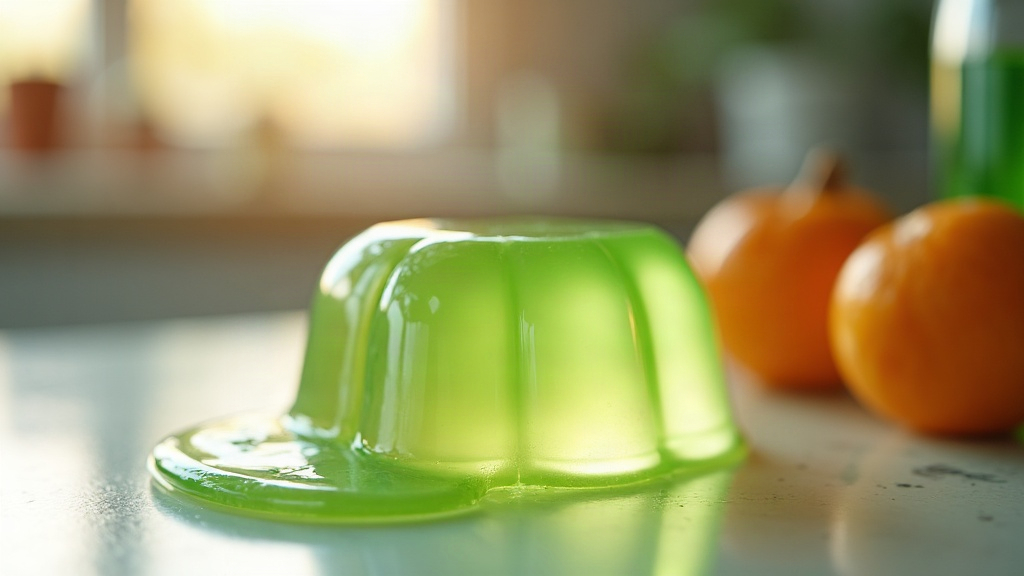
Before the coffee, before the rush out the door — a quiet look at why gelatin keeps showing up in conversations about how women’s bodies change over time.
Nobody hands you a manual for this. Here’s what’s quietly shifting in the background.
Collagen production naturally shifts over the years, and gelatin — a cooked form of collagen — is one of the oldest kitchen ingredients tied to that conversation.
That sense of 'I've had enough' can change with age, hormones, and daily habits, not just what's on the plate.
Maintaining muscle takes more intention as the years go by — it's rarely automatic, no matter how young you feel.
Traditional diet advice was mostly built around calories in, calories out. It didn't account for texture, protein type, or how satisfying a meal actually feels.
A lot of what we were told about metabolism and women’s bodies deserves a second look.
Metabolism just ‘slows down’ and there’s nothing to do about it.
Metabolic rate is influenced by many everyday factors — sleep, movement, muscle mass, and habits all play a role.
All protein sources behave the same way in the body.
Protein sources vary in amino acid profile and texture, which is why gelatin gets discussed differently than, say, whey.
If a habit worked for your mother, it’ll work for you.
Bodies respond differently to the same routine — genetics, lifestyle, and timing all shift the picture.
No overhaul required. Just a different lens on an old habit.
Pay attention to when meals feel satisfying versus when you’re just eating out of habit.
Texture and protein type matter more than most diet trends admit — gelatin is one small piece of that puzzle.
Sustainable habits are rarely dramatic. Small, repeatable choices tend to stick longer than intense resets.
Long before it was a wellness buzzword, gelatin sat quietly in grandmothers’ kitchens — bone broths simmered for hours, stocks passed down through generations, jellied dishes served at Sunday tables. It wasn’t trendy. It was just how the kitchen worked. Collagen, cooked down into gelatin, was a way to use every part of an ingredient and stretch it into something nourishing.
The insight isn’t that gelatin is new — it’s that an old habit is getting a second look through a modern lens.
Feeling hungry again shortly after eating can be worth noticing, not ignoring.
Changes in skin texture are common and tied to a lot of overlapping factors.
Everyday stiffness, especially in the morning, is something many women mention as they get older.
Weight fluctuation without a clear cause is common and usually multi-factorial.
That familiar afternoon slump can be connected to sleep, meals, and routine, not just 'getting older.'
Brittle nails are a small but noticeable sign some women bring up when discussing everyday wellness.
Testimonials reflect individual experiences. Individual results may vary and are not guaranteed.
Hydrolyzed gelatin is gelatin that has been broken down into smaller components, often used because it dissolves more easily than traditional gelatin.
Gelatin is derived from collagen through a cooking process. They’re related but not identical in texture or use.
No. This content is educational and meant to add context to everyday habits, not replace balanced eating or professional guidance.
No. The topics discussed here apply broadly, since body composition and habits shift at different paces for different people.
This is educational content, not a promise of any outcome. Everybody’s routine and body are different.
Many women do get gelatin through foods like broths and traditional dishes — it’s not exclusive to any one product.
Yes, especially if you have any health conditions or concerns. This content doesn’t replace professional medical advice.
It’s a short, straightforward look at gelatin, everyday habits, and what women’s bodies go through over time.
Advertising Disclosure: This page contains sponsored content and affiliate links. We may receive compensation if you click a link or make a purchase through the links provided. This helps support the content on this site at no additional cost to you.
Content Disclaimer: This content is for educational and informational purposes only. It has not been evaluated by the FDA. It is not intended to diagnose, treat, cure, or prevent any disease. Always consult a qualified healthcare professional before making changes to your diet, routine, or lifestyle.
Results Disclaimer: Individual results may vary. Testimonials shared on this page reflect personal experiences and are not a guarantee of any specific outcome for any individual.
© 2026 · All Rights Reserved